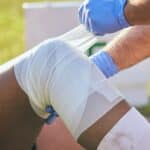
Return-to-sport decisions should be based on functional performance, not just pain absence
Every athlete dreads that moment—the sharp pain, the sudden halt, the realisation that training has come to an abrupt stop. Sports injuries don’t just sideline your body; they challenge your identity, test your patience, and often leave you wondering if you’ll ever perform at the same level again. Yet the journey from injury to podium isn’t just possible—when done correctly, it can actually make you stronger and more resilient than before.
The difference between athletes who successfully return to sport and those who struggle with recurring injuries often comes down to one thing: following a structured rehabilitation roadmap. This guide will walk you through each phase of recovery, address the mental hurdles that can derail your progress, and provide you with the knowledge to make your comeback not just safe, but triumphant.
Understanding Sports Injuries and Recovery
When tissue damage occurs—be it a muscle strain, ligament sprain, or joint dysfunction—your body initiates a complex healing cascade. This process follows predictable phases: inflammation, proliferation, and remodelling. Each phase has specific requirements and timelines that cannot be rushed without consequence.
The site of pain isn’t always the source of the problem. A knee injury might stem from hip weakness, while shoulder pain could originate from thoracic spine restrictions. This is where working with asports chiropractor becomes invaluable—they assess the entire kinetic chain to identify underlying biomechanical issues contributing to your injury.
Athletes who receive comprehensive assessment and treatment for contributing factors show significantly lower re-injury rates compared to those who focus solely on symptomatic relief.
Phase One: Acute Management and Protection
The initial days following injury set the foundation for everything that follows. Your primary goals during this phase are controlling inflammation, protecting healing tissues, and maintaining overall fitness where possible.
Complete rest is rarely the answer. Modern approaches support the principle of “optimal loading”—applying just enough stress to stimulate healing without overwhelming damaged structures.
Manage inflammation intelligently: The inflammatory response is necessary for healing, but excessive inflammation can delay recovery. Ice application, compression, and elevation remain valuable tools when used appropriately in the first few days.
Maintain cardiovascular fitness: Just because you can’t run doesn’t mean you can’t train. Swimming, cycling, or upper body work keeps your aerobic base intact and supports healing through improved circulation.
Begin gentle movement: Pain-free range of motion exercises prevent stiffness and maintain neural pathways.
Working with asports and exercise chiropractor during this phase ensures you’re not under-loading (which slows healing) or over-loading (which causes further damage). They can provide manual therapy to address compensatory patterns and guide appropriate activity modification.
Phase Two: Progressive Rehabilitation and Tissue Strengthening
Once initial healing has occurred, the real work begins. This phase focuses on restoring strength, flexibility, and neuromuscular control—the building blocks of athletic performance.
Tissue adaptation follows the principle of progressive overload: gradual, consistent increases in demand stimulate strengthening. Attempting to accelerate this process typically backfires, leading to flare-ups and setbacks.
Your rehabilitation should address:
Restore full range of motion: Stiffness creates compensatory movement patterns that increase injury risk elsewhere. Joint mobilisation and targeted stretching restore normal mechanics.
Build foundational strength: Begin with isometric exercises, progress to concentric and eccentric loading, then advance to functional movement patterns.
Develop neuromuscular control: Proprioception—your body’s awareness of position in space—is often impaired after injury. Balance exercises and unstable surface training retrain these essential systems.
Address movement quality: Movement screening identifies faulty patterns that contributed to your initial injury. Correcting these prevents future problems.
Athletes who complete comprehensive neuromuscular training during rehabilitation reduce their risk of subsequent injury substantially.
Phase Three: Sport-Specific Conditioning
Returning to your sport requires more than just healing—you need to rebuild the specific capacities your activity demands. Sport-specific training bridges the gap between clinical rehabilitation and competitive performance.
Plyometric progression: Jumping, hopping, and explosive movements develop the elastic properties of muscles and tendons essential for most sports. These exercises must be introduced systematically based on tissue readiness.
Agility and change of direction: Many injuries occur during cutting, pivoting, or deceleration. Training these movement patterns under controlled conditions builds confidence and capacity.
Energy system development: Match the intensity and duration of your training to the demands of your sport.
Simulated competition: Gradually introduce the chaos and unpredictability of actual competition through small-sided games, drills, or controlled scrimmages.
Conquering the Psychological Barriers to Return
Physical readiness is only half the equation. Fear of re-injury, anxiety about performance, and loss of confidence often prove more challenging than the injury itself.
Athletes frequently experience kinesiophobia—an irrational fear of movement that persists even after physical healing. This psychological barrier can limit performance and actually increase re-injury risk through protective movement patterns.
Addressing these mental hurdles requires deliberate strategies:
Reframe your perspective: View your injury as an opportunity to address weaknesses, improve movement quality, and return better than before.
Establish process goals: Focus on what you can control—technique, effort, adherence to your programme—rather than outcomes you cannot predict.
Athletes who receive psychological support during rehabilitation report higher confidence levels and achieve return-to-sport milestones more consistently.
Making the Return-to-Sport Decision
Knowing when you’re truly ready to return requires objective evidence of readiness across multiple domains. The absence of pain is not sufficient criteria.
Return-to-sport criteria include:
Functional performance testing: Can you perform sport-specific movements with proper mechanics and without compensation? Hop tests, agility assessments, and strength testing provide objective benchmarks.
Symmetry between sides: Injured limbs should demonstrate comparable strength, power, and endurance to the uninjected side.
Psychological readiness: Assess your confidence and fear levels honestly.
Medical clearance: Your healthcare team should agree that tissues have healed sufficiently and movement patterns are sound.
Progressive loading tolerance: You should tolerate increasing training loads without pain, swelling, or breakdown in technique.
Returning before meeting these criteria increases re-injury risk substantially. Athletes who return prematurely face significantly higher re-injury rates compared to those who complete structured programmes.
Frequently Asked Questions
How long does it typically take to return to sport after an injury?
Recovery timelines vary dramatically based on injury type, severity, and individual factors. Minor muscle strains might allow return within weeks, while ligament injuries could require months. More important than a specific timeline is meeting functional milestones that demonstrate readiness. A comprehensive assessment from a sports chiropractor can provide personalised estimates based on your specific situation and progress.
What should I do if I experience pain during my return to sport?
Some discomfort during the return process is normal, but you must distinguish between acceptable sensations and warning signs. Sharp pain, swelling, or movements that feel unstable warrant immediate attention. Modify your activity and consult your healthcare provider. Continuing through significant pain often leads to setbacks that extend your recovery considerably.
Can I prevent future injuries after recovering from a sports injury?
Absolutely. Many athletes emerge from injury with lower re-injury risk because they’ve addressed underlying weaknesses and movement dysfunctions. Continuing strength work, maintaining flexibility, ensuring adequate recovery between sessions, and receiving periodic biomechanical assessments all contribute to injury prevention. Working with specialists who understand sports injury patterns helps you stay ahead of potential problems.
Your Comeback Starts Here
The journey from injury to podium demands patience, dedication, and expert guidance. Rushing the process might save weeks but cost you months—or even your sporting career. Following a structured rehabilitation roadmap, addressing both physical and psychological aspects of recovery, and making evidence-based decisions about your return gives you the best chance of not just competing again, but excelling.
At The Chiropractors, we’re experts in sports injury rehabilitation with 20 years of experience guiding athletes through successful comebacks. We understand that your sport isn’t just what you do—it’s part of who you are. Our comprehensive approach addresses the biomechanical factors contributing to injury, supports tissue healing through targeted chiropractic treatment, and ensures you meet objective criteria before returning to competition.
Our expertise includes treating sports injuries, helping with recovery and rehabilitation, and providing holistic care that considers your entire kinetic chain—not just the site of pain. We work with athletes at all levels, from weekend warriors to competitive performers, developing personalised treatment plans that rebuild strength, restore function, and address the psychological barriers that often accompany injury.
Don’t let fear or uncertainty keep you from the podium.Book your consultation today and let our expert team support your journey back to peak performance. Your comeback story begins with the right guidance—let’s write it together.