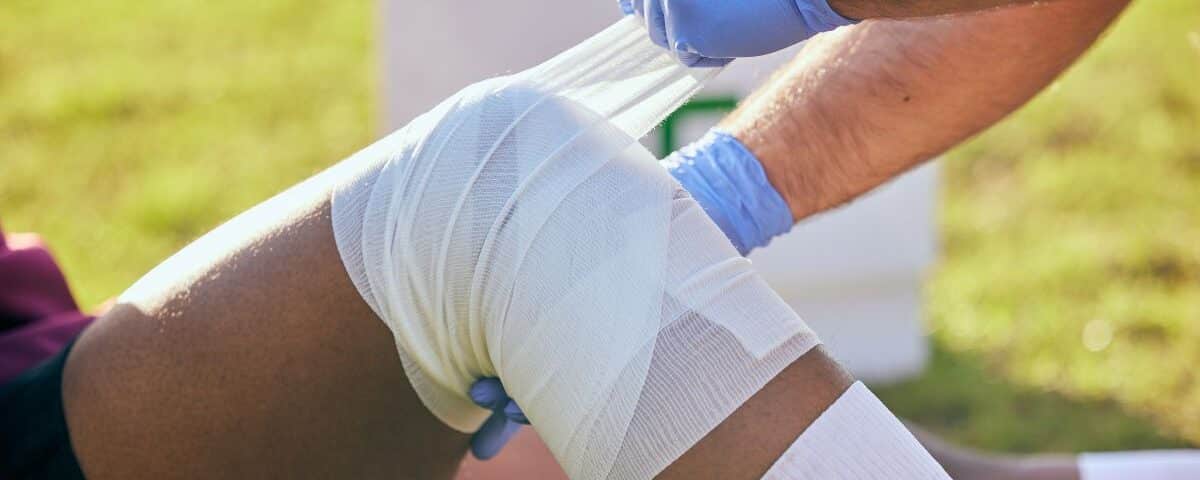
A competitive season represents months of training, commitment, and ambition. For a young athlete sidelined by a sprain, strain, or overuse injury, the pressure to get back onto the field or court as quickly as possible can be enormous. Coaches want their players available, teammates need support, and the athlete themselves often feels that missing time threatens everything they have worked towards.
That pressure, however well-intentioned, is one of the most common reasons youth sports injuries become long-term problems. Young athletes are not simply smaller versions of adults. Their bodies are still developing, and an injury that a fully grown professional might recover from in a matter of weeks can carry considerably more risk for a teenager whose bones, tendons, and growth plates have not yet matured. Getting recovery right the first time is not just about returning to competition; it is about protecting the athlete’s ability to compete for years to come.
At The Chiropractors, our practitioners bring extensive training in sports-related injuries and a multidisciplinary approach to treatment that is specifically designed to support safe, age-appropriate recovery. Working with anexperienced sports injury chiropractor from the outset gives young athletes the best possible foundation for a return to play that does not put their long-term development at risk.
Why Young Athletes Cannot Follow the Same Recovery Approach as Adults
The growing body responds to injury differently to a mature one, and this distinction matters considerably when planning a recovery. Adolescent athletes have active growth plates, areas of developing cartilage near the ends of bones that are particularly vulnerable to stress and damage. An injury near a growth plate that is managed incorrectly, or returned to too soon, carries a real risk of affecting bone development in ways that can create ongoing problems well beyond the immediate season.
Overuse injuries present a similar challenge. Conditions like tendinopathy, stress reactions, and repetitive strain respond well to properly structured rehabilitation, but they can worsen quickly when a young athlete returns to full training intensity before the affected tissue has genuinely recovered. The frustration of a slow recovery is entirely understandable, but rushing this process tends to extend it considerably rather than shorten it.
Accurate diagnosis from the outset is therefore essential. Knowing precisely what has been injured, to what degree, and how it interacts with the athlete’s stage of development allows for a rehabilitation plan that is both effective and safe.
The Real Risk of Returning to Competition Too Soon
Premature return to play is one of the most significant risks in youth sport, and it is more common than most parents, coaches, or athletes realise. An injury that appears to have resolved based on reduced pain alone may not yet have the structural integrity needed to withstand the demands of competitive sport. Pain is an important signal, but its absence is not the same as full recovery.
For young athletes, the consequences of returning too soon extend beyond re-injury. A poorly healed muscle or ligament compensates by shifting load to surrounding structures, which introduces new movement patterns and strain. Left uncorrected, these compensation patterns can persist long after the original injury has healed, contributing to chronic discomfort or increasing the risk of further injuries down the line.
This is why the return-to-play process at The Chiropractors follows a progressive structure, advancing each athlete through graduated stages of activity rather than moving them from rest to full competition in a single step. Each stage is assessed before the next begins, which means return to play is based on objective clinical markers rather than time elapsed alone.
What Age-Appropriate Diagnosis and Rehabilitation Looks Like
Proper management of a young athlete’s injury begins well before any treatment is applied. Thorough orthopaedic testing establishes exactly what has been injured and rules out more serious underlying conditions. Where additional imaging is needed, referral for X-rays, ultrasound, or sonar ensures the full picture is available before a rehabilitation plan is put in place.
Treatment is structured around the specific injury, the athlete’s age and development, and the physical demands of their sport. Soft tissue rehabilitation, spinal and extremity manipulation, dry needling, and strapping all play a role depending on what the injury requires, with each modality selected on clinical grounds rather than applied as a standard protocol.
As the athlete progresses through recovery, guidance shifts toward preparing the body for the specific demands of their sport rather than simply resolving the immediate symptoms. Where further functional rehabilitation is warranted, referral to a biokineticist forms part of the pathway, ensuring the athlete arrives back at competition having rebuilt the strength, movement quality, and proprioception that competitive performance requires.
The Role of Parents and Coaches in the Recovery Process
Young athletes rarely make recovery decisions in isolation. Parents and coaches carry significant influence over how quickly an injured athlete is encouraged to return, and their understanding of the recovery process makes an important difference to how it unfolds. At The Chiropractors, education forms part of every young athlete’s treatment, with clear communication to both the athlete and their support network about what each stage of recovery involves and what signs indicate readiness to progress.
This transparency helps manage the pressure to rush back while giving coaches enough information to plan appropriately around a player’s return. An athlete who returns to competition with their coach’s informed support, at the right moment in their recovery, is in a far stronger position than one who returns early to satisfy external expectations.
Building a Foundation for Long-Term Athletic Development
The most important measure of a successful sports injury recovery is not how quickly an athlete returns to the field. It is how well they perform and how comfortably they move in the months and years that follow. Young athletes who receive proper diagnosis, age-appropriate treatment, and progressive rehabilitation are better placed to continue developing their ability without carrying the physical limitations of a poorly managed injury into their senior years.
At The Chiropractors, this long-term perspective shapes every aspect of how young athletes are treated. The immediate goal is always a safe return to the sport they love. The broader goal is ensuring that sport remains available to them, on their own terms, for as long as they choose to compete.
A sports injury does not have to define a season or a career. With the right care from the outset, young athletes can recover properly and return stronger.Contact The Chiropractors to speak with an experienced sports injury chiropractor about your athlete’s recovery.