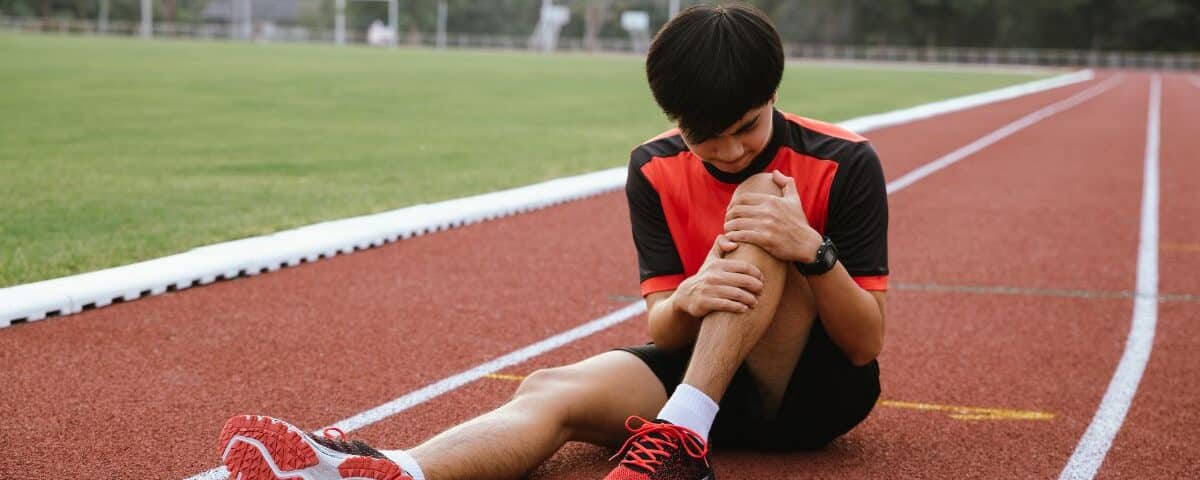
Few things are more demoralising for a recreational athlete than the same injury returning just weeks after it seemed to have healed. The ankle that rolled during a Sunday league match, rested for a fortnight, and then gave way again at the first training session. The hamstring that has been strained, recovered, and re-strained so many times that managing it has become a permanent part of every warm-up routine. The shoulder that flares reliably a few weeks into any sustained period of activity.
These patterns are common, but they are not simply bad luck. Recurring sports injuries almost always point to something that has not been properly identified or addressed in the original recovery. For weekend warriors and recreational athletes who rely on sport for fitness, enjoyment, and stress relief, breaking this cycle matters enormously, and it starts with understanding why the injury keeps returning in the first place.
At The Chiropractors, our multidisciplinary approach to sports injury treatment is built around finding that underlying cause.Book a sports injury assessment and get a clear picture of what is actually driving your recurring symptoms, rather than treating the same injury repeatedly without resolution.
The Problem with Treating the Symptom Rather Than the Cause
When a recreational athlete sprains an ankle, strains a hamstring, or develops knee pain, the immediate priority is usually reducing pain and getting back to activity as quickly as possible. Rest, ice, compression, and elevation address the acute symptoms, and when the pain subsides, the assumption is that recovery is complete. For many injuries this is sufficient. For recurring ones, it almost never is.
The reason is straightforward. An injury that keeps returning is usually the end result of a biomechanical problem that existed before the injury occurred, and that persists after the acute symptoms resolve. The ankle sprain healed, but the movement pattern that made the ankle vulnerable to rolling in the first place was never corrected. The hamstring strain settled, but the pelvic tilt or hip restriction that placed excessive load on the hamstring every time the athlete sprints was never addressed. Pain disappearing is not the same as the underlying issue resolving.
Treating the symptom in isolation means the body returns to sport carrying the same vulnerability it had before. Given enough activity, the same structure fails under the same strain, and the cycle repeats.
What Biomechanical Assessment Reveals
A thorough orthopaedic assessment looks beyond the site of the injury to examine how the body moves as a whole. Spinal alignment, joint mobility, muscle balance, and movement patterns all influence how load is distributed across the body during athletic activity. When one area is restricted or misaligned, surrounding structures compensate by absorbing forces they were not designed to manage, and these are typically the areas that break down repeatedly.
This kind of assessment often reveals connections that were not obvious from the injury history alone. A recurring calf strain may trace back to restricted ankle dorsiflexion that alters running mechanics. Persistent lower back pain during cycling may connect to a pelvic imbalance that changes how force is transmitted through the lumbar spine with every pedal stroke. ITB syndrome that flares reliably on longer runs often reflects hip mechanics that place the lateral knee under sustained stress, regardless of how well the local symptoms have been managed.
Identifying these connections is what makes the difference between treatment that resolves an injury and treatment that resolves the pattern producing it.
How Spinal and Extremity Manipulation Addresses Root Causes
Once the underlying biomechanical issues have been identified, spinal and extremity manipulation works to restore proper alignment and joint mobility throughout the affected movement chain. This is not limited to the site of the recurring injury but extends to every joint and segment that contributes to the pattern driving it.
Full spinal and extremity manipulation stimulates neural function and restores proprioception, the body’s ability to sense its own position and movement accurately. This matters considerably for injury prevention, since many recurring injuries involve a proprioceptive deficit that leaves the athlete unable to respond quickly enough when a joint is challenged. Restoring this awareness is part of what makes adjusted movement patterns durable rather than temporary.
Soft tissue work addresses the muscular and connective tissue component of the same patterns. Muscles that have been chronically overloaded in compensation, or that have developed scar tissue from repeated strain, cannot function optimally until that tension and restriction is released. Combining soft tissue rehabilitation with joint manipulation treats the full picture rather than isolated elements of it.
Why Weekend Warriors Are Particularly Vulnerable
Recreational athletes tend to carry a specific set of risk factors for recurring injury that professional athletes manage more systematically. Training loads vary considerably from week to week depending on work, family, and social commitments, which means the body is regularly asked to perform at intensities it has not adequately prepared for. Recovery between sessions is often compressed by time constraints. And when injuries occur, the pressure to return quickly, driven by the limited window available for sport each week, frequently leads to premature return to activity.
This pattern means that underlying biomechanical issues rarely get the attention they need. A professional athlete with a recurring hamstring strain will typically undergo comprehensive assessment to identify why it keeps happening. A weekend warrior with the same injury is more likely to rest until the pain is manageable and return to their Saturday match, carrying the same vulnerability into every subsequent session.
The value of comprehensive assessment is therefore at least as high for recreational athletes as for professionals, even though it is sought far less consistently.
Making Sport Sustainable Over the Long Term
The goal for most recreational athletes is not peak performance at any cost. It is the ability to keep doing what they enjoy, consistently, without injury interrupting their participation every few months. A five-a-side footballer who has played every Thursday for a decade without significant interruption has achieved something genuinely valuable, even if their technical level never approached elite. Recurring injuries threaten exactly this kind of sustained participation.
Addressing the biomechanical root causes of recurring injury is ultimately about making sport sustainable. When the body moves well, distributes load appropriately, and recovers from the demands of activity without carrying accumulated dysfunction into the next session, the likelihood of the same injury returning drops considerably. This is what lasting resolution looks like, not simply a longer gap between recurrences but a genuine change in the underlying pattern.
Sport should not require managing around an injury that never fully resolves. With proper assessment and treatment that addresses root causes rather than symptoms alone, recreational athletes can return to consistent, pain-free participation.Contact The Chiropractors to book a sports injury assessment and break the cycle for good.